BPA-Free vs. BPA: Understanding Baby Bottle Safety Standards
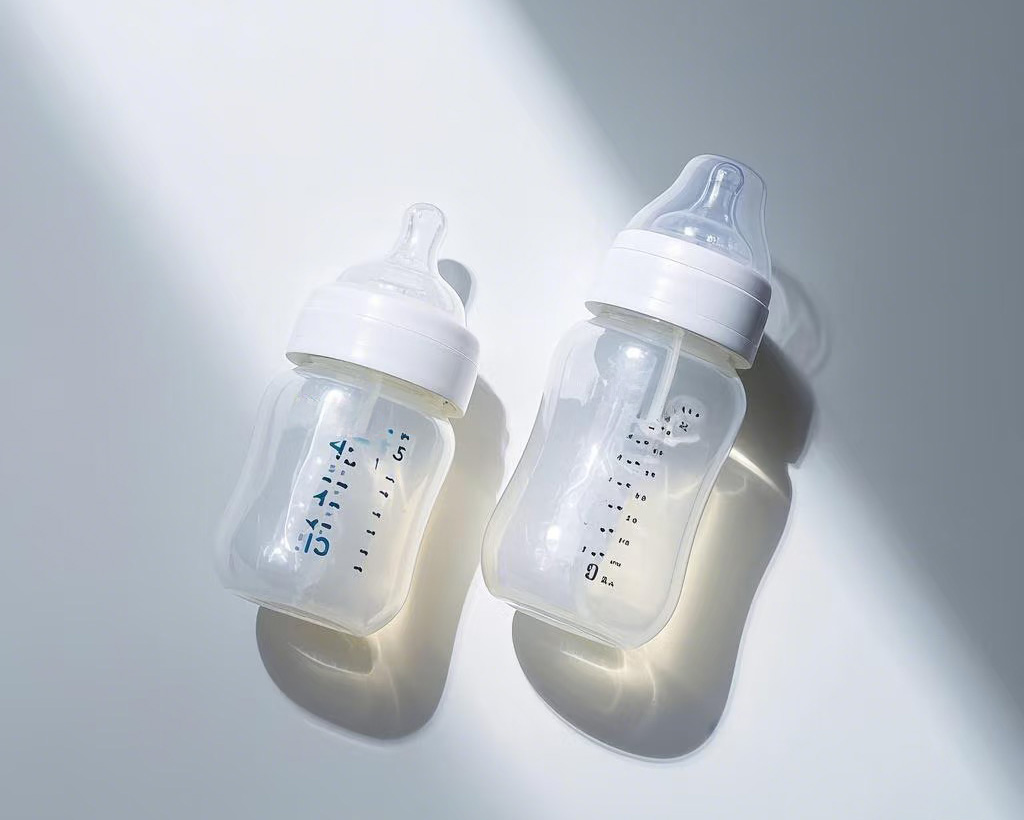
Many buyers pay close attention to one label when choosing baby bottles: BPA-Free.
For consumers, BPA-Free may look like a simple safety claim on the package. But for baby product brands, importers, and distributors, it is closely connected to material selection, product compliance, market access, and consumer trust.
Baby bottles come into direct contact with babies’ mouths, milk, and water. That means material safety cannot depend only on how the product looks or what a supplier says. If you are developing your own baby bottle brand, understanding the difference between BPA and BPA-Free is an important first step.
What Is BPA?
BPA stands for Bisphenol A.
It is a chemical that was once commonly used in certain plastics and resins, especially some polycarbonate plastic materials, often known as PC.
In the past, PC was used in some baby bottles, water bottles, and food contact products because of its high transparency and good strength. But as safety requirements for baby products have become stricter in many countries, the use of BPA in baby drinking products has been increasingly restricted.
In simple terms, when buyers see BPA-Free, what they really care about is whether the bottle may release unsafe substances when it comes into contact with milk, water, or high-temperature cleaning.
Why Is BPA-Free Important for Baby Bottles?
Babies and young children are still growing, so food contact material safety is especially important. Baby bottles are used every day with warm water and milk powder. Many families also sterilize bottles at high temperatures, which makes material stability even more important.
If a bottle contains BPA, consumers may worry about whether BPA could migrate into milk or water during heating, sterilization, or long-term use. This is why many countries and regions have restricted the use of BPA in baby bottles.
For baby product brands, BPA-Free is not only a marketing point. In many markets, it has become a basic safety requirement for baby drinking products.
What Is the Difference Between BPA and BPA-Free Baby Bottles?
From a consumer’s point of view, the biggest difference is material safety and trust.
A baby bottle that contains BPA may raise concerns about chemical migration, especially during heating, sterilization, or long-term use. Although regulations may vary by country, most parents are more willing to choose BPA-Free baby bottles for infant feeding products.
BPA-Free baby bottles are usually made from materials that do not contain Bisphenol A, such as PPSU, Tritan, PP, or glass. However, this does not mean that every product labeled BPA-Free is automatically safe in every way. A reliable baby bottle still needs stable materials, food contact safety testing, good production control, and proper quality inspection.
In other words, BPA-Free is important, but it is not the whole story.
A safe baby bottle should also have a reasonable structure, clear product information, food contact safety documents, and reliable manufacturing support.
Common BPA-Free Materials for Baby Bottles
Today, the most common BPA-Free materials for baby bottles and children’s drinking products include PPSU, Tritan, PP, and glass. Each material has different features and suits different brand positions.
PPSU
PPSU is widely used in mid-to-high-end baby bottles. It usually has a light amber color, good heat resistance, strong impact resistance, and better aging resistance.
If your brand wants to highlight quality, safety, and durability, PPSU is often a good choice. Many premium baby care brands use PPSU for baby bottles and training cups.
Tritan
Tritan has high transparency and a lightweight feel. It looks close to glass but is lighter and more resistant to breakage. It is commonly used for children’s water bottles, training cups, straw cups, and some baby bottle products.
For brands that want to control cost while keeping a clean and modern product appearance, Tritan is a practical option.
PP
PP is more cost-effective and common in mass-market baby products. It can also be BPA-Free, but its transparency, appearance, and durability are usually not as strong as PPSU or Tritan.
If your brand focuses on a more price-sensitive market, PP may still be a suitable choice.
Glass
Glass bottles are naturally BPA-Free and have strong material stability. Many consumers also trust glass because of its clean and safe image.
However, glass is heavier and easier to break, so transportation, packaging, and daily use need to be considered carefully.
Material choice should not be based only on whether it is BPA-Free. It should also match your brand positioning, target price, sales channel, and consumer habits.
BPA-Free Does Not Mean Testing Can Be Ignored
Some new brands may think that if the material is BPA-Free, no further testing is needed. This is not the right approach.
A baby bottle is not only the bottle body. It may also include a nipple, straw, cap, handle, sealing ring, weighted ball, printed graphics, and packaging materials. Any part that directly or indirectly contacts milk or water may affect product safety.
So when choosing a product, buyers should not only ask whether the material is BPA-Free. They should also confirm whether the material is suitable for food contact, whether material documents can be provided, whether migration tests are available, whether the nipple and straw are made from food-grade silicone, whether the printing ink is suitable for baby products, and whether the target market requires specific test reports.
These are the details that really matter when developing baby drinking products.
For markets such as Europe and the United States, brands usually need more complete product information and testing documents. That is why choosing a manufacturer that can support compliance documents is very important.
What Should Buyers Ask When Choosing a Manufacturer?
If you are a brand owner, importer, or distributor looking for a baby bottle manufacturer, it is not enough to simply ask, “Is it BPA-Free?”
A more practical approach is to check whether the factory truly understands baby drinking products and material safety requirements.
A suitable factory should understand the features of different materials and know how PPSU, Tritan, PP, and food-grade silicone are used in different products. It should also be able to support material statements, test reports, or third-party testing based on your target market.
At the same time, the factory should have stable production processes and basic quality inspection procedures. Baby bottle safety does not come only from raw materials. It also depends on mold accuracy, assembly stability, sealing performance, nipple compatibility, and production quality control.
For long-term brand development, the manufacturer should not be just a supplier. It should be a partner that can help control product risks, improve product structure, support packaging information, and continue developing new models.
BPA-Free Is Also Part of Brand Trust
In the baby product industry, trust is very important. When parents buy baby bottles, they usually do not look only at price. They care more about whether the product is safe, whether the material is clearly explained, whether the brand looks professional, and whether the packaging information is complete.
That is why BPA-Free can be an important selling point on your product page, packaging, and catalog. But the way it is presented should be professional and realistic.
For example, instead of using exaggerated claims such as “100% safe,” it is better to clearly explain that the product uses BPA-Free materials suitable for baby feeding products, and that related test documents can be supported according to the target market.
For B2B customers, BPA-Free is not only a label for consumers. It is also basic information that importers, platforms, and retail channels may review.
How BOTE Supports BPA-Free Baby Drinking Product Development
BOTE specializes in OEM / ODM manufacturing of baby bottles and children’s sippy cups. Our main products include PPSU baby bottles, Tritan children’s water bottles, straw cups, training cups, and related baby drinking products.
In product development, we focus on material safety, product structure, and real daily-use experience. Our products can use materials such as PPSU, Tritan, and food-grade silicone, which are suitable for baby drinking products. According to customers’ target market requirements, we can also support related material information, testing documents, and product files.
Most of BOTE’s product models are independently developed and supported by relevant patented designs. For brand customers who want to build a differentiated product line, we can offer more distinctive product options and support brand-authorized sales, helping customers avoid excessive market similarity.
At the same time, we continue to develop new models every year, helping partner brands maintain product freshness and market competitiveness.
If you are developing your own BPA-Free baby bottle or children’s sippy cup brand, BOTE can support you with product selection, logo printing, color customization, packaging customization, multi-capacity series development, ODM new product development, and mass production.
Conclusion
BPA-Free has become one of the most important safety requirements for baby bottles and children’s drinking products. But for brand owners, real product safety is not only about one BPA-Free label.
A reliable baby bottle product also needs suitable materials, stable structure, food contact safety testing, clear packaging information, and support from a professional manufacturer.
If you are looking for an OEM / ODM manufacturer for baby bottles and children’s sippy cups, feel free to contact BOTE. We can recommend suitable BPA-Free product solutions based on your target market and brand positioning.